Linux commands
62 articles
-
sar Command in Linux: Monitor Historical System Performance Like a Pro
Monitor CPU, memory, disk I/O, and network—historically. Learn how to install sysstat and use the sar command in Linux to analyze past performance.
-
How to Use nice and renice in Linux: Control Process Priority Like a Pro
Learn how to use Linux nice and renice commands to control process CPU priority. Practical examples for sysadmins managing servers, backups, and builds.
-
lsblk Command in Linux: List Block Devices and Storage Layout
Learn how to use the lsblk command in Linux with real examples. View block devices, UUIDs, and storage layout with essential options covered.
-
vmstat Command in Linux: Monitor CPU, Memory, and Swap in Real Time
Learn how to use the vmstat command in Linux to monitor CPU, memory, swap, and I/O in real time. Includes output explanation and troubleshooting examples.
-
How to Configure /etc/fstab in Linux (Without Bricking Your System)
Configure /etc/fstab in Linux to automate disk mounting. Learn the six fields, UUID vs device names, key mount options, and how to recover if something breaks.
-
How to Use SSH Config File in Linux: Manage Servers Like a Pro
Use the Linux SSH config file (~/.ssh/config) to create aliases, configure ProxyJump, and manage multiple servers without typing long commands.
-
How to Use find Command in Linux: Search Files Like a Pro
Learn how to use the find command in Linux to search files by name, type, size, permissions, and time — with real sysadmin examples and exec tricks.
-
How to Use tee Command in Linux: The Output Tool Every Admin Needs
Learn how to use the Linux tee command to write output to files and terminal simultaneously. Real examples: sudo tee, append mode, stderr capture, and scripting.
-
How to Use rsync in Linux: Sync Files Locally and Remotely
Learn how to use rsync in Linux to sync files locally and remotely over SSH. Covers options, examples, automation with cron, and common mistakes to avoid.
-
How to Use Cron Jobs in Linux: Schedule and Automate Tasks
Learn how to use cron jobs in Linux with crontab syntax, real-world examples, output logging, and troubleshooting tips. Automate tasks like a pro sysadmin.
-
How to Create a Systemd Service in Linux (Step-by-Step)
Learn how to create a custom systemd service in Linux with step-by-step examples. Write unit files, enable auto-start, and debug like a pro.
-
How to Add a User in Linux: The Command Every Admin Needs
Add a user in Linux the right way. This guide covers useradd, adduser, passwd, usermod, userdel, and granting sudo access with real examples.
-
How to Use sysctl in Linux: Tune Kernel Parameters Like a Pro
Learn how to use sysctl in Linux to read, modify, and persist kernel parameters. Covers vm.swappiness, network tuning, security hardening, and /etc/sysctl.conf.
-
How to Use diff Command in Linux: Compare Files and Configs
Learn how to use the Linux diff command to compare files and configs. Covers output reading, key flags, directory comparison, and the diff+patch workflow.
-
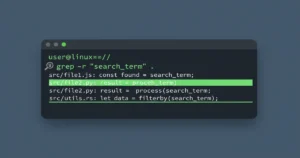
How to Use grep Command in Linux: The Text Search Tool Every Admin Needs
Master the grep command in Linux with practical examples. Learn essential flags, regex patterns, recursive search, and real-world sysadmin use cases.
-
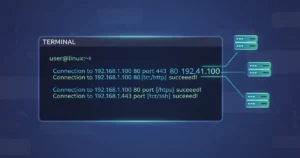
How to Use Netcat (nc) Command in Linux: The Network Swiss Army Knife Every Admin Needs
Master the netcat (nc) command in Linux with real examples. Learn port scanning, file transfers, connection testing, and banner grabbing every sysadmin needs.
-
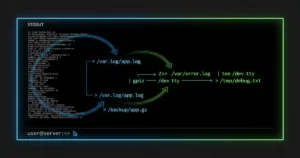
How to Redirect Output in Linux: Master Pipes, File Descriptors, and Stream Control
Master Linux output redirection with stdin, stdout, and stderr. Learn pipes, file descriptors, 2>&1, and /dev/null through practical examples every admin needs.
-
How to Use SCP Command in Linux: The Secure File Transfer Tool Every Admin Needs
Learn how to use the SCP command in Linux to securely transfer files between systems. Includes syntax, real-world examples, troubleshooting tips, and security best practices.
-
How to Use modprobe Command in Linux: The Kernel Module Tool Every Admin Needs
Learn how to use modprobe to load and manage Linux kernel modules. Complete guide with practical examples, common errors, and best practices for system administrators.
-
How to Use fzf Command in Linux: The Fuzzy Finder Every Admin Needs
Learn how to use fzf, the interactive fuzzy finder that transforms Linux productivity. Install, configure, and master essential workflows with real examples.







Related topics
- Linux sysadmin 113
- Command line 48
- Almalinux 21
- Linux networking 20
- Linux troubleshooting 20
- Linux security 17
- Shell scripting 16
- Bash 14
- Open source backup 13
- Ubuntu 12
- Homelab 11
- Systemd 10
