Shell scripting
16 articles
-
How to Use the date Command in Linux: Format, Timestamps, and Scripts
Master the Linux date command: formatting output, date arithmetic, Unix timestamps, timezones, and real bash scripting examples for sysadmins.
-
How to Use tee Command in Linux: The Output Tool Every Admin Needs
Learn how to use the Linux tee command to write output to files and terminal simultaneously. Real examples: sudo tee, append mode, stderr capture, and scripting.
-
How to Create a Systemd Service in Linux (Step-by-Step)
Learn how to create a custom systemd service in Linux with step-by-step examples. Write unit files, enable auto-start, and debug like a pro.
-
How to Redirect Output in Linux: Master Pipes, File Descriptors, and Stream Control
Master Linux output redirection with stdin, stdout, and stderr. Learn pipes, file descriptors, 2>&1, and /dev/null through practical examples every admin needs.
-
How to Use fzf Command in Linux: The Fuzzy Finder Every Admin Needs
Learn how to use fzf, the interactive fuzzy finder that transforms Linux productivity. Install, configure, and master essential workflows with real examples.
-
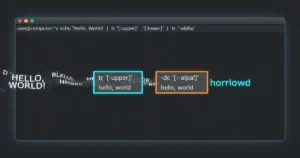
How to Use tr Command in Linux: The Text Transform Tool Every Admin Needs
Master the tr command in Linux with practical examples, common mistakes to avoid, and real-world use cases. Learn when to use tr vs sed vs awk for text…
-
How to Write Bash Scripts in Linux: The Complete Beginner’s Guide
Learn how to write bash scripts in Linux with practical examples. Master automation, variables, loops, and best practices that every sysadmin needs to know.
-
How to Set Environment Variables in Linux: The Complete Guide
Learn how to set environment variables in Linux permanently and temporarily. Master export, PATH, .bashrc, and security best practices with real examples.
-
How to Use alias Command in Linux: Boost Productivity with Shell Shortcuts
Learn how to use the alias command in Linux to create custom shortcuts, automate repetitive tasks, and boost your command-line productivity with permanent aliases.
-
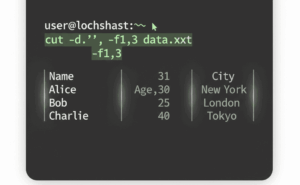
How to Use cut Command in Linux: The Text Extraction Tool Every Admin Needs
Master the Linux cut command to extract fields, columns, and characters from files. Learn syntax, practical examples, common mistakes, and when to use cut vs awk.
-
How to Use which Command in Linux: Find Executables the Right Way
Learn the Linux which command to find executable locations in PATH. Discover when to use which vs type vs whereis, troubleshoot conflicts with -a, and master command resolution.
-
How to Use Sort Command in Linux: The Text Tool Every Admin Uses Daily
I’ve lost count of how many times the sort command has pulled me out of a tight spot. Whether I’m analyzing server logs, cleaning up configuration files, or…
-
How to Use the nohup Command in Linux: Run Processes That Survive Logout
Master the nohup command in Linux. Learn syntax, real-world examples, output redirection, and how nohup compares to screen, tmux, and disown for background processes.
-
How to Use curl Command in Linux: The Essential Tool for Every Sysadmin
Master the curl command in Linux with real-world examples for API testing, file downloads, and troubleshooting. Complete guide with practical use cases for 2025.
-
How to Use awk Command in Linux: Real-World Text Processing Examples
Master the awk command in Linux with practical examples for log analysis, CSV processing, and data extraction. Learn field separators, pattern matching, and real-world use cases.
-
How to Use sed in Linux: The Text Processing Tool Every Sysadmin Needs
Master the sed command in Linux with practical examples. Learn text processing, find-and-replace operations, and real-world use cases that every sysadmin needs.





Related topics
- Linux sysadmin 113
- Linux commands 62
- Command line 48
- Almalinux 21
- Linux networking 20
- Linux troubleshooting 20
- Linux security 17
- Bash 14
- Open source backup 13
- Ubuntu 12
- Homelab 11
- Systemd 10
