Linux commands
62 articles
Page 2 of 4
-
How to Use netstat Command in Linux: The Legacy Tool You Still Need to Know
Learn how to use netstat command in Linux to monitor network connections, check listening ports, and troubleshoot network issues. Includes modern alternatives.
-
How to Troubleshoot Network Issues in Linux: A Systematic Approach
Learn how to troubleshoot network issues in Linux with a systematic workflow. From DNS failures to packet loss, master the tools every admin needs.
-
How to Use htop Command in Linux: The Interactive Monitor Every Admin Needs
Learn how to use htop command in Linux with this complete guide. Master process monitoring, function keys, and troubleshooting with real-world examples.
-
How to Use jq Command in Linux: The JSON Processing Tool Every Admin Needs
Master the jq command in Linux for powerful JSON processing. Learn practical examples, filters, and real-world use cases for parsing APIs and logs.
-
How to Use tr Command in Linux: The Text Transform Tool Every Admin Needs
Master the tr command in Linux with practical examples, common mistakes to avoid, and real-world use cases. Learn when to use tr vs sed vs awk for text…
-
How to Use iptables in Linux: The Firewall Tool Every Admin Needs
Master iptables firewall in Linux with practical examples for SSH, HTTP security. Learn chains, tables, rules from a sysadmin who locked herself out twice.
-
How to Use strace Command in Linux: The System Call Tracer Every Admin Needs
Learn how to use strace command in Linux to trace system calls, debug processes, and troubleshoot performance issues. Complete guide with real-world examples.
-
How to Use dmesg Command in Linux: The Kernel Message Tool Every Admin Needs
Learn how to use the dmesg command in Linux to view kernel messages, troubleshoot hardware issues, and diagnose boot problems with practical examples.
-
How to Use tmux in Linux: The Terminal Multiplexer Every Admin Needs
Learn how to use tmux in Linux for persistent sessions, split panes, and better terminal management. Step-by-step guide with real sysadmin examples and configuration tips.
-
How to Use screen Command in Linux: Keep Your Sessions Running
Learn how to use the screen command in Linux to manage terminal sessions, run long processes, and recover from SSH disconnects. Complete guide with examples.
-
How to Use systemctl in Linux: The Complete Service Management Guide
Learn how to use systemctl to manage Linux services. Master start, stop, enable, disable, and troubleshooting commands with real-world examples.
-
How to Use Vim Editor in Linux: The Complete Beginner’s Guide
Learn how to use Vim in Linux with this beginner-friendly guide. Master essential commands, modes, and navigation to edit files like a pro.
-
How to Use tar Command in Linux: The Complete Archiving Guide
Master the Linux tar command with practical examples. Learn to create, extract, and compress archives using tar, gzip, and bzip2. Complete guide for beginners and sysadmins.
-
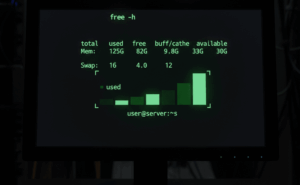
How to Use free Command in Linux: Monitor Memory the Right Way
Learn how to use the free command in Linux to monitor memory usage, interpret available vs used memory, and avoid common mistakes. Practical examples for sysadmins.
-
How to Use du Command in Linux: Find What’s Eating Your Disk Space
Master the du command in Linux to analyze disk usage, find large directories, and free up space. Includes practical examples and troubleshooting tips.
-
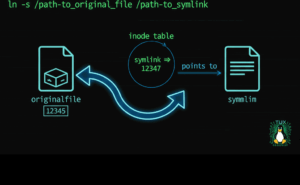
How to Use ln Command in Linux: Create Symbolic Links the Right Way
Learn how to use the ln command in Linux to create symbolic and hard links. Master link types, avoid common mistakes, and manage file system links like a…
-
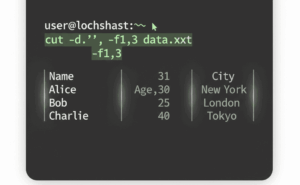
How to Use cut Command in Linux: The Text Extraction Tool Every Admin Needs
Master the Linux cut command to extract fields, columns, and characters from files. Learn syntax, practical examples, common mistakes, and when to use cut vs awk.
-
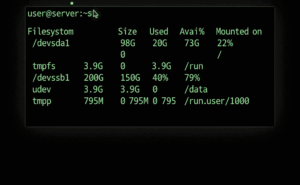
How to Use df Command in Linux: The Disk Space Tool Every Admin Needs
Master the df command in Linux to monitor disk space, understand filesystem usage, troubleshoot storage issues, and prevent system failures with practical examples.
-
How to Use which Command in Linux: Find Executables the Right Way
Learn the Linux which command to find executable locations in PATH. Discover when to use which vs type vs whereis, troubleshoot conflicts with -a, and master command resolution.
-
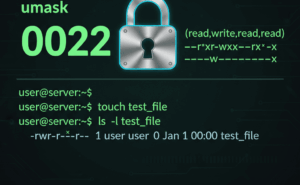
How to Use umask Command in Linux: Control Default File Permissions
Learn how to use the umask command in Linux to set secure default file permissions. Includes real-world examples, octal notation explained, and security best practices for 2025.





Related topics
- Linux sysadmin 113
- Command line 48
- Almalinux 21
- Linux networking 20
- Linux troubleshooting 20
- Linux security 17
- Shell scripting 16
- Bash 14
- Open source backup 13
- Ubuntu 12
- Homelab 11
- Systemd 10
