Command line
48 articles
Page 2 of 3
-
How to Use dmesg Command in Linux: The Kernel Message Tool Every Admin Needs
Learn how to use the dmesg command in Linux to view kernel messages, troubleshoot hardware issues, and diagnose boot problems with practical examples.
-
How to Use tmux in Linux: The Terminal Multiplexer Every Admin Needs
Learn how to use tmux in Linux for persistent sessions, split panes, and better terminal management. Step-by-step guide with real sysadmin examples and configuration tips.
-
How to Use tcpdump Command in Linux: The Packet Analyzer Every Admin Needs
Master tcpdump to capture and analyze network traffic on Linux. Learn filters, real-world examples, and troubleshooting techniques every sysadmin needs to know.
-
How to Use screen Command in Linux: Keep Your Sessions Running
Learn how to use the screen command in Linux to manage terminal sessions, run long processes, and recover from SSH disconnects. Complete guide with examples.
-
How to Write Bash Scripts in Linux: The Complete Beginner’s Guide
Learn how to write bash scripts in Linux with practical examples. Master automation, variables, loops, and best practices that every sysadmin needs to know.
-
How to Use Vim Editor in Linux: The Complete Beginner’s Guide
Learn how to use Vim in Linux with this beginner-friendly guide. Master essential commands, modes, and navigation to edit files like a pro.
-
How to Use tar Command in Linux: The Complete Archiving Guide
Master the Linux tar command with practical examples. Learn to create, extract, and compress archives using tar, gzip, and bzip2. Complete guide for beginners and sysadmins.
-
How to Use alias Command in Linux: Boost Productivity with Shell Shortcuts
Learn how to use the alias command in Linux to create custom shortcuts, automate repetitive tasks, and boost your command-line productivity with permanent aliases.
-
How to Use wget Command in Linux: The Download Tool Every Admin Needs
Master the wget command in Linux with practical examples. Learn to download files, resume transfers, mirror websites, and automate downloads like a pro.
-
How to Use free Command in Linux: Monitor Memory the Right Way
Learn how to use the free command in Linux to monitor memory usage, interpret available vs used memory, and avoid common mistakes. Practical examples for sysadmins.
-
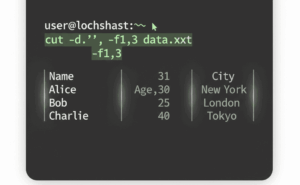
How to Use cut Command in Linux: The Text Extraction Tool Every Admin Needs
Master the Linux cut command to extract fields, columns, and characters from files. Learn syntax, practical examples, common mistakes, and when to use cut vs awk.
-
How to Use which Command in Linux: Find Executables the Right Way
Learn the Linux which command to find executable locations in PATH. Discover when to use which vs type vs whereis, troubleshoot conflicts with -a, and master command resolution.
-
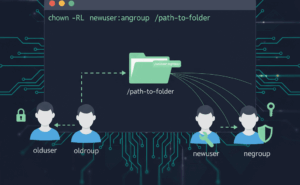
How to Use chown Command in Linux: Change File Ownership the Right Way
Learn how to use the chown command in Linux to change file ownership. Includes real-world examples, security tips, and troubleshooting for system administrators.
-
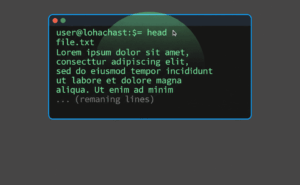
How to Use the head Command in Linux: The Quick File Preview Tool Every Admin Needs
Learn how to use the head command in Linux to quickly preview files, analyze logs, and build powerful pipelines. Practical examples for sysadmins in 2025.
-
How to Use tail Command in Linux: The Log Monitoring Tool Every Admin Needs
Learn how to use the Linux tail command to monitor logs in real-time, view file ends, and troubleshoot systems. Essential examples for sysadmins.
-
How to Use xargs Command in Linux: The Pipeline Tool Every Admin Needs
Master the Linux xargs command with practical examples. Learn to build efficient pipelines, process files in parallel, and automate batch operations like a pro.
-
How to Use Sort Command in Linux: The Text Tool Every Admin Uses Daily
I’ve lost count of how many times the sort command has pulled me out of a tight spot. Whether I’m analyzing server logs, cleaning up configuration files, or…
-
How to Use Zip and Unzip Commands in Linux: The Complete Guide
Master the zip and unzip commands in Linux with practical examples. Learn compression, encryption, cross-platform sharing, and troubleshooting tips.
-
How to Use the Watch Command in Linux: Monitor Commands in Real Time
Learn how to use the watch command in Linux to monitor commands in real time. Real-world examples, essential options, and practical tips from 10+ years of sysadmin work.
-
How to Use the nohup Command in Linux: Run Processes That Survive Logout
Master the nohup command in Linux. Learn syntax, real-world examples, output redirection, and how nohup compares to screen, tmux, and disown for background processes.


Related topics
- Linux sysadmin 113
- Linux commands 62
- Almalinux 21
- Linux networking 20
- Linux troubleshooting 20
- Linux security 17
- Shell scripting 16
- Bash 14
- Open source backup 13
- Ubuntu 12
- Homelab 11
- Systemd 10
