What is Crypto Swing Trading (And Why It Finally Made Me Profitable)
Discover what crypto swing trading is, how it works, and why it's perfect for traders who can't watch charts all day. Learn the strategies that turned my losses around.

In this article
Crypto swing trading changed everything for me. After years of staring at 5-minute charts and burning out from day trading, I discovered a style that actually fits my life. It gave me my sanity back while still letting me profit from Bitcoin’s wild price swings.
If you’ve ever felt exhausted by constant chart-watching or frustrated by missing moves because you have a day job, swing trading might be exactly what you need. Let me break down what it is, how it works, and the specific strategies that turned my trading around.
What is Crypto Swing Trading?
Crypto swing trading is a trading style where you hold positions for several days to a few weeks. Instead of opening and closing trades within the same day, you’re capturing medium-term price moves. Think of it as the middle ground between day trading’s chaos and long-term investing’s patience.
Here’s why I fell in love with it: swing trading only requires 30 to 60 minutes of chart analysis per day. When I was day trading, I’d sit at my screen for 8+ hours, jittery on coffee, making impulsive decisions. That lifestyle nearly broke me.
Crypto’s volatility makes swing trading particularly rewarding. According to Bitcoin’s volatility research from Fidelity, BTC experiences significantly higher price fluctuations than traditional assets. Where stocks might move 2-3% in a week, Bitcoin regularly swings 10-30% in days. That volatility creates opportunities you won’t find anywhere else.
How Swing Trading Works in Crypto
Swing trading relies on technical analysis to identify entry and exit points. You’re looking for spots where price is likely to reverse or continue a trend. The goal is simple: buy before an upswing, sell before it fades.
- Timeframes: 4-hour and daily charts work best
- Holding period: 3-14 days on average
- Analysis: Chart patterns, indicators, support/resistance levels
- Daily commitment: 30-60 minutes of chart review
Learning to read charts is essential for swing trading. If you’re new to this, start with reading candlestick charts before diving into more complex indicators.
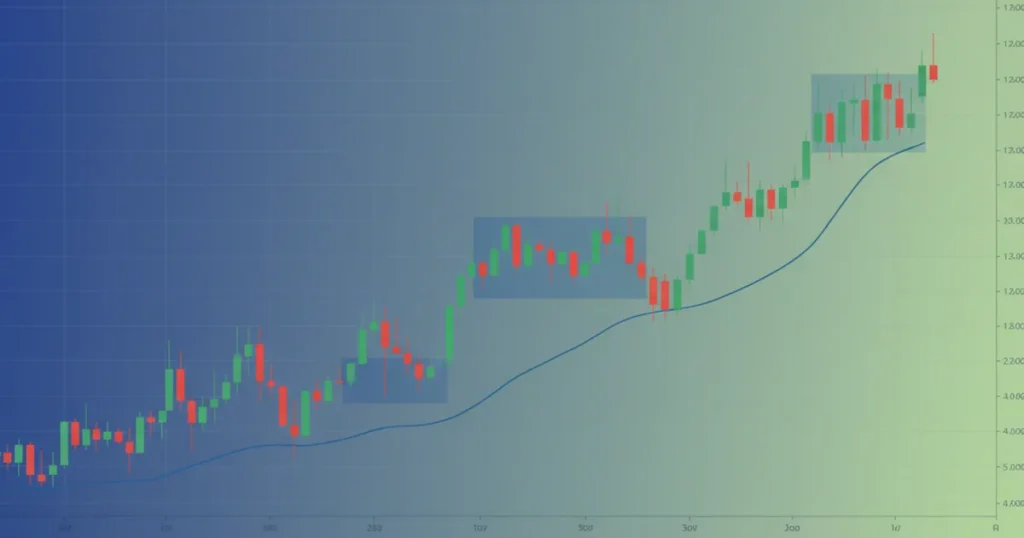
Here’s a real example from my own trading: In late 2024, I spotted Bitcoin pulling back to its 50-day moving average after a strong rally. The daily chart showed clear support forming around $58,000. I entered the trade, set my stop below $55,000, and held for 11 days. When BTC hit $68,000, I took profits. That single trade captured a 17% move while I only checked charts for about 45 minutes each day.
Swing Trading vs Day Trading: Which One Saved My Portfolio?
I’m going to be brutally honest here. Day trading nearly destroyed me financially and mentally.
Back in 2021, I was glued to my screen from market open to close. Every red candle sent my heart racing. Every winning trade made me overconfident. I was making 20+ trades per day, racking up fees, and letting emotions drive decisions. When a bad streak hit, I chased losses like a gambler chasing a hot table.
Switching to swing trading felt like learning to breathe again. Here’s how they compare:

| Factor | Day Trading | Swing Trading |
|---|---|---|
| Time Required | 6-10 hours daily | 30-60 minutes daily |
| Stress Level | Very high | Moderate |
| Overnight Risk | None (closes positions) | Yes (positions stay open) |
| Profit Targets | Small, frequent (0.5-2%) | Larger moves (5-20%) |
| Best For | Full-time traders | People with day jobs |
The overnight risk with swing trading is real. You can wake up to a 10% gap against your position. But I’ve found that proper stop losses and position sizing make this manageable. The mental clarity I gained from not watching every tick? Priceless.
Best Crypto Swing Trading Strategies That Actually Work
I’ve tested dozens of strategies over the years. Most didn’t survive real market conditions. These three have consistently made me money:
Trend Following Strategy
This is swing trading 101. You identify the overall trend using higher timeframes, then enter on pullbacks in that direction. BlackRock’s crypto volatility insights confirm that crypto trends tend to be powerful when they get going.
In an uptrend, I wait for price to pull back 5-10% before entering. The key is patience. Most traders jump in too early and get stopped out on deeper pullbacks.
Support and Resistance Flip
When a price level that was resistance becomes support (or vice versa), it’s a high-probability trade. I look for clean breaks of major levels, then wait for price to retest that level before entering.
For example, if Bitcoin breaks above $70,000 after weeks of rejection, I’ll wait for it to pull back and hold $70,000 as support before going long. The retest confirms the breakout is real.
Moving Average Pullbacks
The 50-day and 200-day moving averages act as dynamic support and resistance. In strong trends, price often bounces right off these levels.
I combine moving average pullbacks with the RSI indicator for confirmation. When price hits the 50-day MA and RSI shows oversold conditions, it’s usually a strong entry. Add the MACD indicator showing bullish divergence, and you’ve got a high-conviction setup.
Risk Management: The Rules That Kept Me in the Game
Let me share something personal. I blew up my first trading account in 2020. Lost everything because I ignored risk management. That experience taught me the hardest lesson of my trading career: it doesn’t matter how good your entries are if you can’t survive losing streaks.
Position Sizing
I never risk more than 1-2% of my account on any single trade. Period. If I have $10,000, my maximum loss on a trade is $200. This might seem conservative, but it means I can survive 20+ losing trades in a row without major damage.
Understanding position sizing is non-negotiable for swing traders. It’s the difference between having a bad month and losing your account.
Stop Loss Placement
Every trade needs a stop loss set before you enter. I place mine below key technical levels, like recent swing lows or important support zones. Learn the specifics of setting stop losses for crypto’s unique volatility.
- Never risk more than 2% per trade
- Always set stop loss before entering
- Take partial profits at first target (usually 50%)
- Never move stop loss further away from entry
- Step away after two consecutive losses
Common Swing Trading Mistakes I Made (So You Don’t Have To)
I’ve made every mistake in the book. Here are the ones that cost me the most money:
- Overtrading: Forcing trades when no good setup existed. Some weeks, the best trade is no trade at all.
- Fighting the trend: Trying to catch falling knives or short strong uptrends. The trend really is your friend.
- Closing winners too early: Fear made me exit winning trades at 5% when they could’ve run 20%.
- Ignoring stop losses: Hoping a losing trade would come back. It rarely does.
- Revenge trading: Immediately jumping into a new trade after a loss to “make it back.” This always made things worse.
The emotional side of trading matters more than most people realize. Working on your trading psychology is just as important as learning technical analysis.
How to Start Swing Trading Crypto in 2025
Ready to try swing trading? Here’s my advice for getting started:
- Choose liquid assets: Stick to Bitcoin, Ethereum, and top-10 altcoins. Low-liquidity coins have erratic price action that ruins swing setups.
- Pick the right exchange: You need solid charting tools. Check out the best crypto exchanges with built-in technical analysis features.
- Start small: Trade with money you can afford to lose while learning. Scale up only after proving consistency.
- Keep a journal: Record every trade, your reasoning, and the outcome. Pattern recognition comes from reviewing your own data.
- Set realistic expectations: Strong swing traders aim for 10-30% annual returns. That’s 1-2% monthly, which compounds beautifully over time.
Final Thoughts: Is Swing Trading Right for You?
Swing trading isn’t for everyone. It requires patience to wait for setups and discipline to follow your rules. You also need to accept overnight risk. But for traders with day jobs or those who can’t handle day trading’s intensity, it’s a game-changer.
For me personally, swing trading aligned perfectly with my recovery journey. The same principles that helped me stay sober helped me become a better trader: discipline, patience, accepting things I can’t control, and learning from mistakes without destroying myself over them.
If swing trading sounds like too much to handle right now, consider starting with dollar-cost averaging while you learn the basics. There’s no shame in building skills before risking real capital on active trading.
The best time to start learning was yesterday. The second best time is now. Pick one strategy, paper trade it for a month, and see if swing trading fits your personality. Your future trading self will thank you.