Linux
Linux Tutorials
154 articles
Page 5 of 8
-
How to Use tar Command in Linux: The Complete Archiving Guide
Master the Linux tar command with practical examples. Learn to create, extract, and compress archives using tar, gzip, and bzip2. Complete guide for beginners and sysadmins.
-
What is Slippage in Crypto (And Why It Cost Me $1,200 in One Trade)
I still remember the exact moment I learned what slippage in crypto really means. Not from a textbook. Not from a YouTube video. From watching $1,200 evaporate from…
-
How to Install Software on Linux: The Complete Guide for Every Distribution
Learn how to install software on Linux using apt, dnf, pacman, and universal formats like Flatpak and Snap. Complete beginner-friendly guide with examples.
-
How to Set Environment Variables in Linux: The Complete Guide
Learn how to set environment variables in Linux permanently and temporarily. Master export, PATH, .bashrc, and security best practices with real examples.
-
How to Use alias Command in Linux: Boost Productivity with Shell Shortcuts
Learn how to use the alias command in Linux to create custom shortcuts, automate repetitive tasks, and boost your command-line productivity with permanent aliases.
-
How to Use wget Command in Linux: The Download Tool Every Admin Needs
Master the wget command in Linux with practical examples. Learn to download files, resume transfers, mirror websites, and automate downloads like a pro.
-
How to Use free Command in Linux: Monitor Memory the Right Way
Learn how to use the free command in Linux to monitor memory usage, interpret available vs used memory, and avoid common mistakes. Practical examples for sysadmins.
-
How to Use du Command in Linux: Find What’s Eating Your Disk Space
Master the du command in Linux to analyze disk usage, find large directories, and free up space. Includes practical examples and troubleshooting tips.
-
How to Use ln Command in Linux: Create Symbolic Links the Right Way
Learn how to use the ln command in Linux to create symbolic and hard links. Master link types, avoid common mistakes, and manage file system links like a…
-
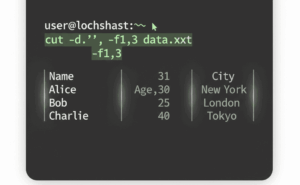
How to Use cut Command in Linux: The Text Extraction Tool Every Admin Needs
Master the Linux cut command to extract fields, columns, and characters from files. Learn syntax, practical examples, common mistakes, and when to use cut vs awk.
-
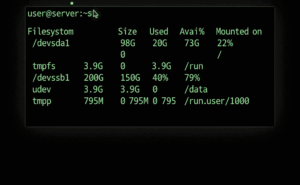
How to Use df Command in Linux: The Disk Space Tool Every Admin Needs
Master the df command in Linux to monitor disk space, understand filesystem usage, troubleshoot storage issues, and prevent system failures with practical examples.
-
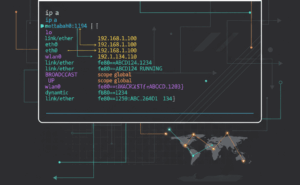
How to Use ip Command in Linux: The Modern Network Tool Every Admin Needs
Master the Linux ip command with practical examples. Learn how this modern tool replaced ifconfig for network configuration, routing, and interface management.
-
How to Use ss Command in Linux: The Socket Tool Every Sysadmin Needs
Learn how to use the ss command in Linux for network monitoring and troubleshooting. Modern replacement for netstat with practical examples for sysadmins.
-
RackNerd Review: Is It Actually Good or Just Cheap?
Cheap web hosting usually sucks. We all know the drill. You buy a server for $20 a year, and it’s offline half the time. Or the support team…
-
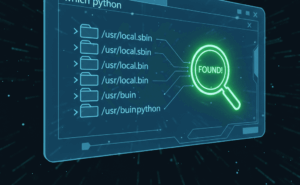
How to Use which Command in Linux: Find Executables the Right Way
Learn the Linux which command to find executable locations in PATH. Discover when to use which vs type vs whereis, troubleshoot conflicts with -a, and master command resolution.
-
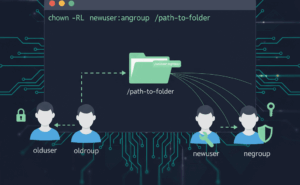
How to Use chown Command in Linux: Change File Ownership the Right Way
Learn how to use the chown command in Linux to change file ownership. Includes real-world examples, security tips, and troubleshooting for system administrators.
-
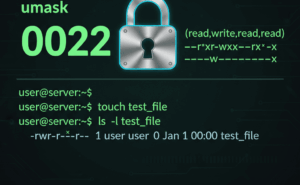
How to Use umask Command in Linux: Control Default File Permissions
Learn how to use the umask command in Linux to set secure default file permissions. Includes real-world examples, octal notation explained, and security best practices for 2025.
-
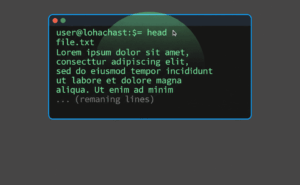
How to Use the head Command in Linux: The Quick File Preview Tool Every Admin Needs
Learn how to use the head command in Linux to quickly preview files, analyze logs, and build powerful pipelines. Practical examples for sysadmins in 2025.
-
How to Use tail Command in Linux: The Log Monitoring Tool Every Admin Needs
Learn how to use the Linux tail command to monitor logs in real-time, view file ends, and troubleshoot systems. Essential examples for sysadmins.
-
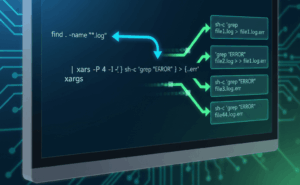
How to Use xargs Command in Linux: The Pipeline Tool Every Admin Needs
Master the Linux xargs command with practical examples. Learn to build efficient pipelines, process files in parallel, and automate batch operations like a pro.