Shell & Coin Blog
Every Linux guide, crypto explainer and review we have published, newest first.
Page 16 of 21
-
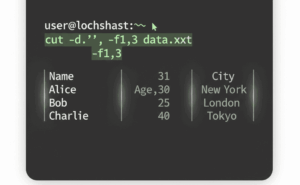
How to Use cut Command in Linux: The Text Extraction Tool Every Admin Needs
Master the Linux cut command to extract fields, columns, and characters from files. Learn syntax, practical examples, common mistakes, and when to use cut vs awk.
-
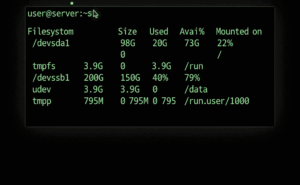
How to Use df Command in Linux: The Disk Space Tool Every Admin Needs
Master the df command in Linux to monitor disk space, understand filesystem usage, troubleshoot storage issues, and prevent system failures with practical examples.
-
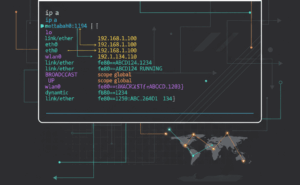
How to Use ip Command in Linux: The Modern Network Tool Every Admin Needs
Master the Linux ip command with practical examples. Learn how this modern tool replaced ifconfig for network configuration, routing, and interface management.
-
How to Use ss Command in Linux: The Socket Tool Every Sysadmin Needs
Learn how to use the ss command in Linux for network monitoring and troubleshooting. Modern replacement for netstat with practical examples for sysadmins.
-
RackNerd Review: Is It Actually Good or Just Cheap?
Cheap web hosting usually sucks. We all know the drill. You buy a server for $20 a year, and it’s offline half the time. Or the support team…
-
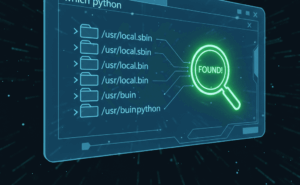
How to Use which Command in Linux: Find Executables the Right Way
Learn the Linux which command to find executable locations in PATH. Discover when to use which vs type vs whereis, troubleshoot conflicts with -a, and master command resolution.
-
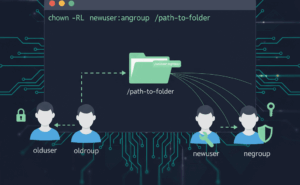
How to Use chown Command in Linux: Change File Ownership the Right Way
Learn how to use the chown command in Linux to change file ownership. Includes real-world examples, security tips, and troubleshooting for system administrators.
-
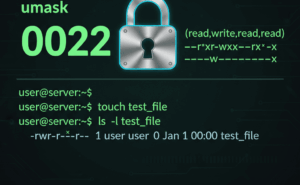
How to Use umask Command in Linux: Control Default File Permissions
Learn how to use the umask command in Linux to set secure default file permissions. Includes real-world examples, octal notation explained, and security best practices for 2025.
-
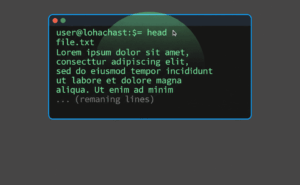
How to Use the head Command in Linux: The Quick File Preview Tool Every Admin Needs
Learn how to use the head command in Linux to quickly preview files, analyze logs, and build powerful pipelines. Practical examples for sysadmins in 2025.
-
How to Use tail Command in Linux: The Log Monitoring Tool Every Admin Needs
Learn how to use the Linux tail command to monitor logs in real-time, view file ends, and troubleshoot systems. Essential examples for sysadmins.
-
How to Use xargs Command in Linux: The Pipeline Tool Every Admin Needs
Master the Linux xargs command with practical examples. Learn to build efficient pipelines, process files in parallel, and automate batch operations like a pro.
-
How to Use ps Command in Linux: The Process Tool Every Admin Needs
Learn how to use the ps command in Linux with real-world examples. Master process monitoring, troubleshooting, and system administration with this essential tool.
-
How to Use Sort Command in Linux: The Text Tool Every Admin Uses Daily
I’ve lost count of how many times the sort command has pulled me out of a tight spot. Whether I’m analyzing server logs, cleaning up configuration files, or…
-
How to Use Zip and Unzip Commands in Linux: The Complete Guide
Master the zip and unzip commands in Linux with practical examples. Learn compression, encryption, cross-platform sharing, and troubleshooting tips.
-
Apt Update vs Apt Upgrade: What’s the Difference?
Learn the crucial difference between apt update and apt upgrade commands. Discover why running them in the right order matters for Linux system security.
-
How to Use the Watch Command in Linux: Monitor Commands in Real Time
Learn how to use the watch command in Linux to monitor commands in real time. Real-world examples, essential options, and practical tips from 10+ years of sysadmin work.
-
How to Use the nohup Command in Linux: Run Processes That Survive Logout
Master the nohup command in Linux. Learn syntax, real-world examples, output redirection, and how nohup compares to screen, tmux, and disown for background processes.
-
How to Use top Command in Linux: The Real-Time Monitor Every Sysadmin Needs
Master the top command in Linux with real-world examples for monitoring CPU, memory, and processes. Complete guide with practical troubleshooting techniques for 2025.
-
How to Use curl Command in Linux: The Essential Tool for Every Sysadmin
Master the curl command in Linux with real-world examples for API testing, file downloads, and troubleshooting. Complete guide with practical use cases for 2025.
-
How to Use awk Command in Linux: Real-World Text Processing Examples
Master the awk command in Linux with practical examples for log analysis, CSV processing, and data extraction. Learn field separators, pattern matching, and real-world use cases.